1/7 🐻📉
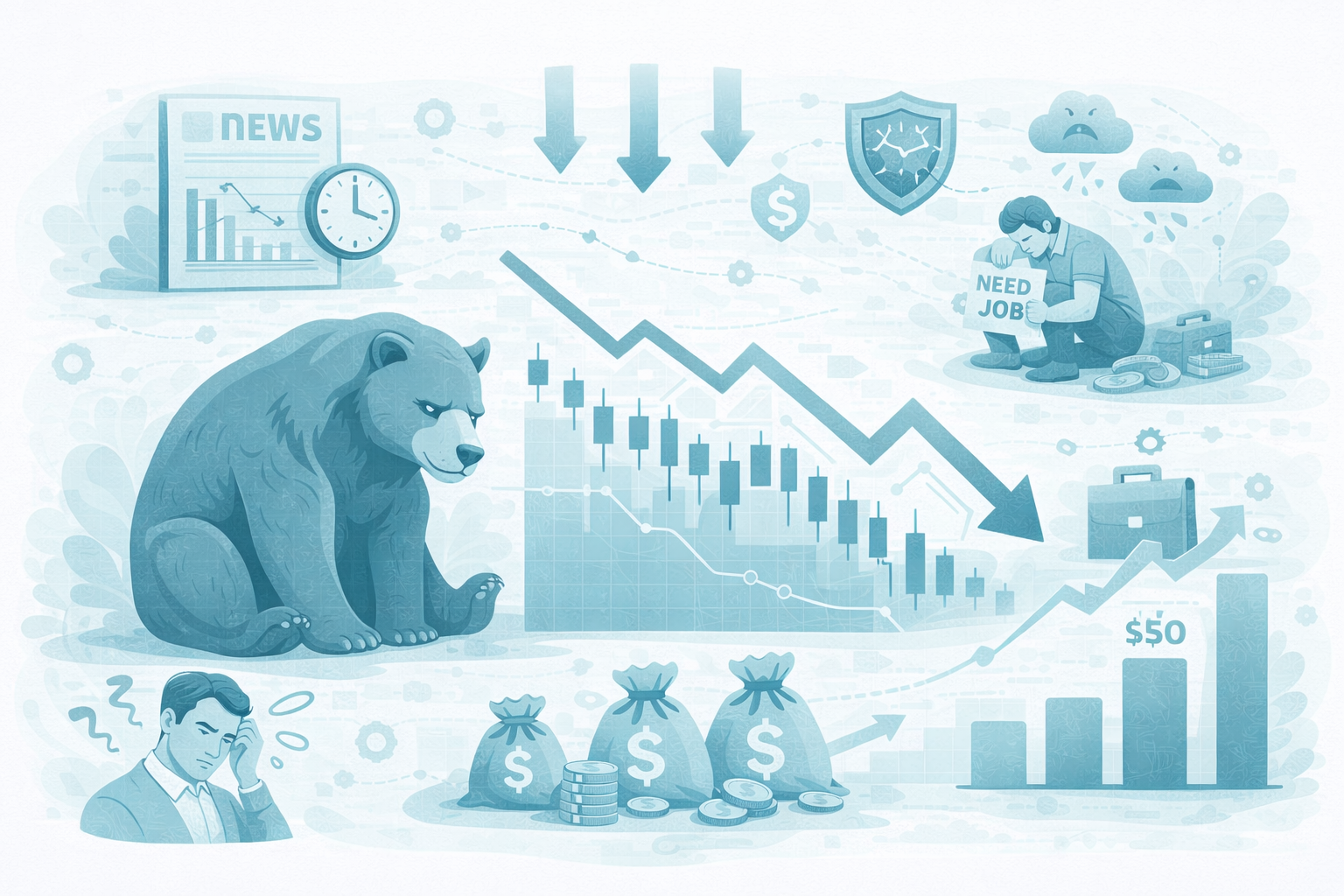
A bear market happens when asset prices fall 20% or more from recent highs, leading to fear, pessimism, and reduced investor confidence. #MarketBasics #ningenie #ninx
2/7 ⏳
Bear markets can last months or even years, but they’re temporary. Financial markets are cyclical, and downturns are always followed by recoveries. #LongTermInvesting #ningenie #ninx
3/7 🔍
Not every dip is a bear market. A 10% fall is called a correction, while a recession refers to declining GDP—not market prices. #Investing101 #ningenie #ninx
4/7 🧠
Investor psychology plays a huge role. Fear-driven selling often pushes prices lower than fundamentals justify, creating undervalued opportunities. #InvestorMindset #ningenie #ninx
5/7 🌍
Bear markets are often triggered by recessions, high inflation, rising interest rates, or geopolitical crises that shake confidence. #EconomicCycles #ningenie #ninx
6/7 🪙
In crypto, bear markets—often called crypto winters—are more extreme. Prices can crash hard, but history shows strong rebounds over time. #CryptoMarkets #ningenie #ninx
7/7 🎯
Smart strategies like diversification, cost averaging, and avoiding panic selling help investors survive—and sometimes thrive—during bear markets. #SmartInvesting #ningenie #ninx