1/7 🏦
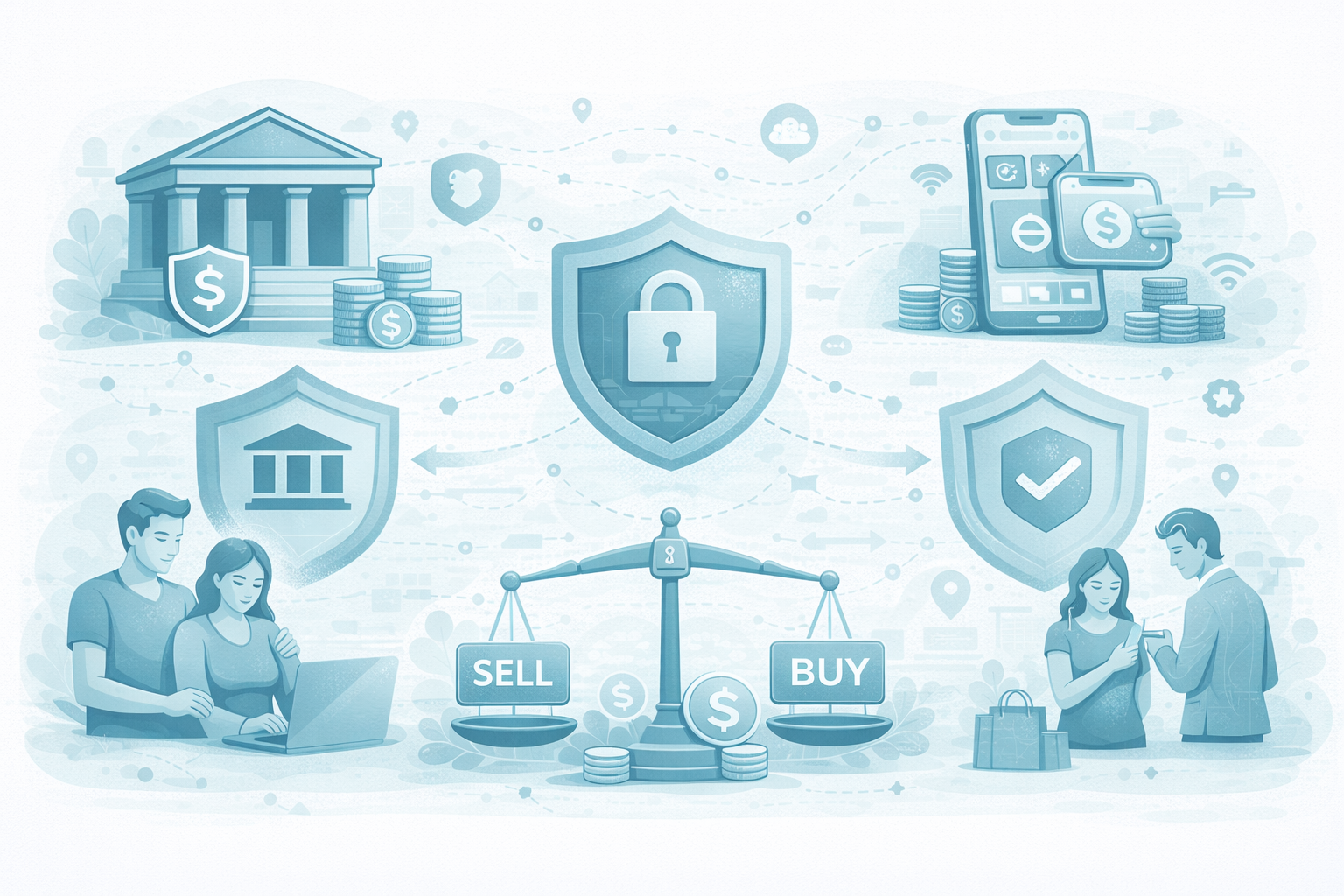
Trust is the backbone of finance. Whether it’s centuries-old banks or new-age fintech and crypto platforms, reliability, security, and transparency decide who earns user confidence. #Trust #Finance #ningenie #ninx
2/7 🔐
Traditional banks are built on regulation and deposit-taking. Strong oversight, licences, and reserve requirements aim to protect customers—but trust can erode fast during crises. #Banking #Regulation #ningenie #ninx
3/7 ⚠️
From the 2008 financial crisis to recent bank failures, history shows how risky behaviour and poor liquidity trigger bank runs when confidence breaks down. #Risk #FinancialCrisis #ningenie #ninx
4/7 📱
Enter neobanks. Digital-first, branchless, low-cost—and popular with millennials and Gen Z. They trade physical presence for UX and speed, but must still earn long-term trust. #Fintech #Neobanks #ningenie #ninx
5/7 🧠
Crypto platforms add another layer. Born from decentralisation, many now act as centralised intermediaries—making custody, transparency, and trust critical. #Crypto #Web3 #ningenie #ninx
6/7 📜
Regulation plays a key role. Banks are heavily regulated, fintech less so, and crypto rules are still evolving. Proactive compliance is a strong trust signal. #Compliance #Security #ningenie #ninx
7/7 🔎
Bottom line: trust isn’t promised by age or technology—it’s earned through transparency, responsible risk management, and regulation-first thinking. #TrustEconomy #FutureOfFinance #ningenie #ninx